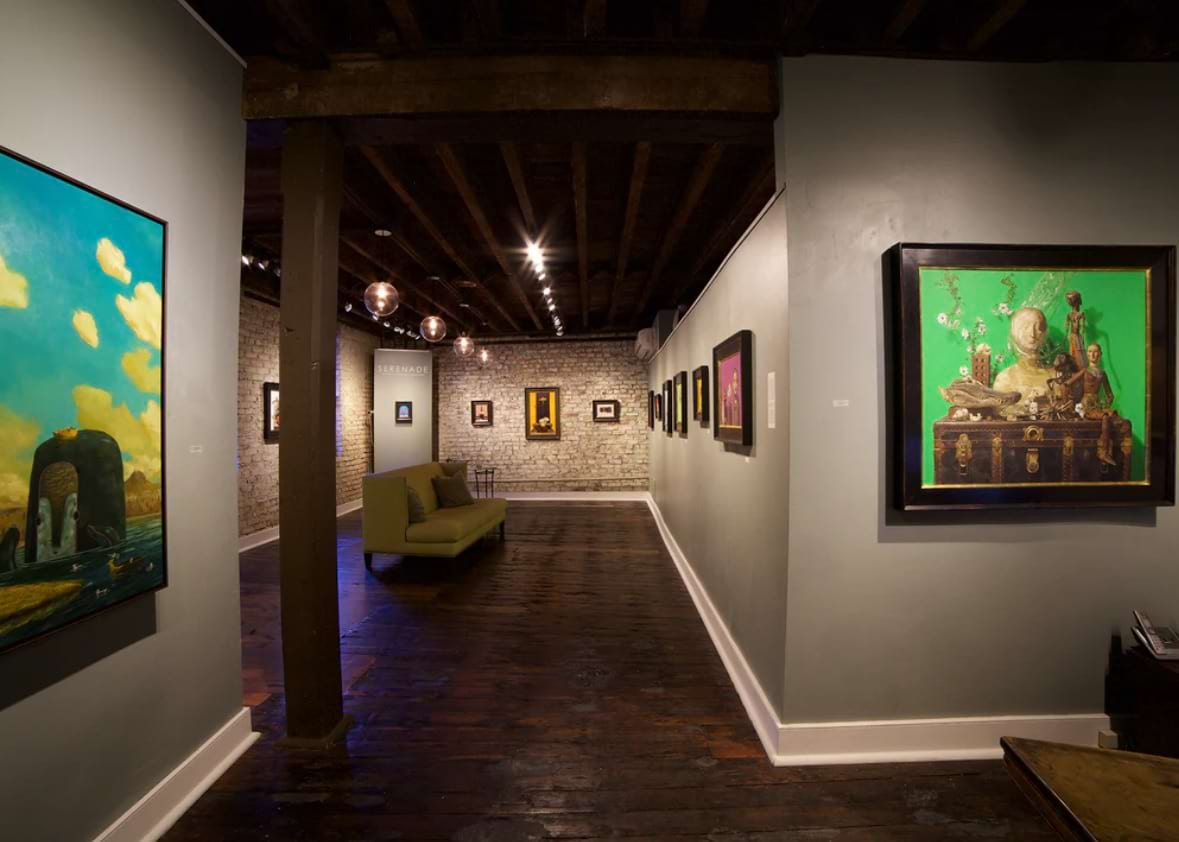
Investing in art has long been an endeavor of the wealthy elite, but in recent years, it has become an accessible and attractive option for a broader range of investors. As traditional markets experience volatility, more people are turning to alternative investments like art, which offers not only financial returns but also the aesthetic and cultural satisfaction that other assets simply cannot provide.
Why Invest in Art?
Investing in art offers a unique blend of financial potential and personal enjoyment. Unlike stocks or bonds, art has intrinsic value beyond its market price; it can enrich your life, inspire creativity, and provoke thought. However, the financial benefits of investing in art are also substantial. Here are some reasons why art has become an increasingly popular investment:
- Diversification: Art provides diversification in an investment portfolio. It often performs independently of the stock market, making it a valuable asset during economic downturns.
- Tangible Asset: Unlike shares in a company or mutual funds, art is a tangible asset. It’s something you can see, touch, and enjoy in your home or office while it appreciates in value.
- Appreciation Potential: Over time, certain works of art can appreciate significantly in value, especially as the artist gains recognition or as the piece becomes more historically significant.
- Cultural and Social Value: Owning art can also enhance your social standing and cultural capital. Collectors often take pride in being patrons of the arts and supporting the careers of artists.
- Legacy: Art can be a lasting legacy that you pass down through generations, both as an heirloom and as an asset.

Understanding Contemporary Art
To invest wisely in art, it’s crucial to understand the landscape of contemporary art, which refers to artworks created from the late 20th century to the present. Contemporary art is diverse, encompassing a wide range of styles, techniques, and themes. It often reflects the social, political, and technological changes of our time, making it a dynamic and ever-evolving field.
Characteristics of Contemporary Art
- Innovation: Contemporary artists frequently experiment with new mediums, techniques, and concepts. They challenge traditional boundaries and often address current global issues.
- Diverse Mediums: Unlike traditional art, which often focused on painting and sculpture, contemporary art includes a wide array of mediums such as digital art, installation art, performance, video, and mixed media.
- Global Influence: The globalization of the art world has led to a rich cross-pollination of ideas, styles, and cultural influences. Contemporary art is a truly global phenomenon, with artists from every corner of the world contributing to the dialogue.
- Conceptual Focus: Many contemporary artworks prioritize ideas and concepts over aesthetic beauty. This shift means that the value of a work may be tied as much to its intellectual impact as to its visual appeal.
- Market Demand: Contemporary art is in high demand among collectors, museums, and galleries. This demand can drive up prices, especially for works by artists who are seen as groundbreaking or particularly relevant.
How to Invest in Art
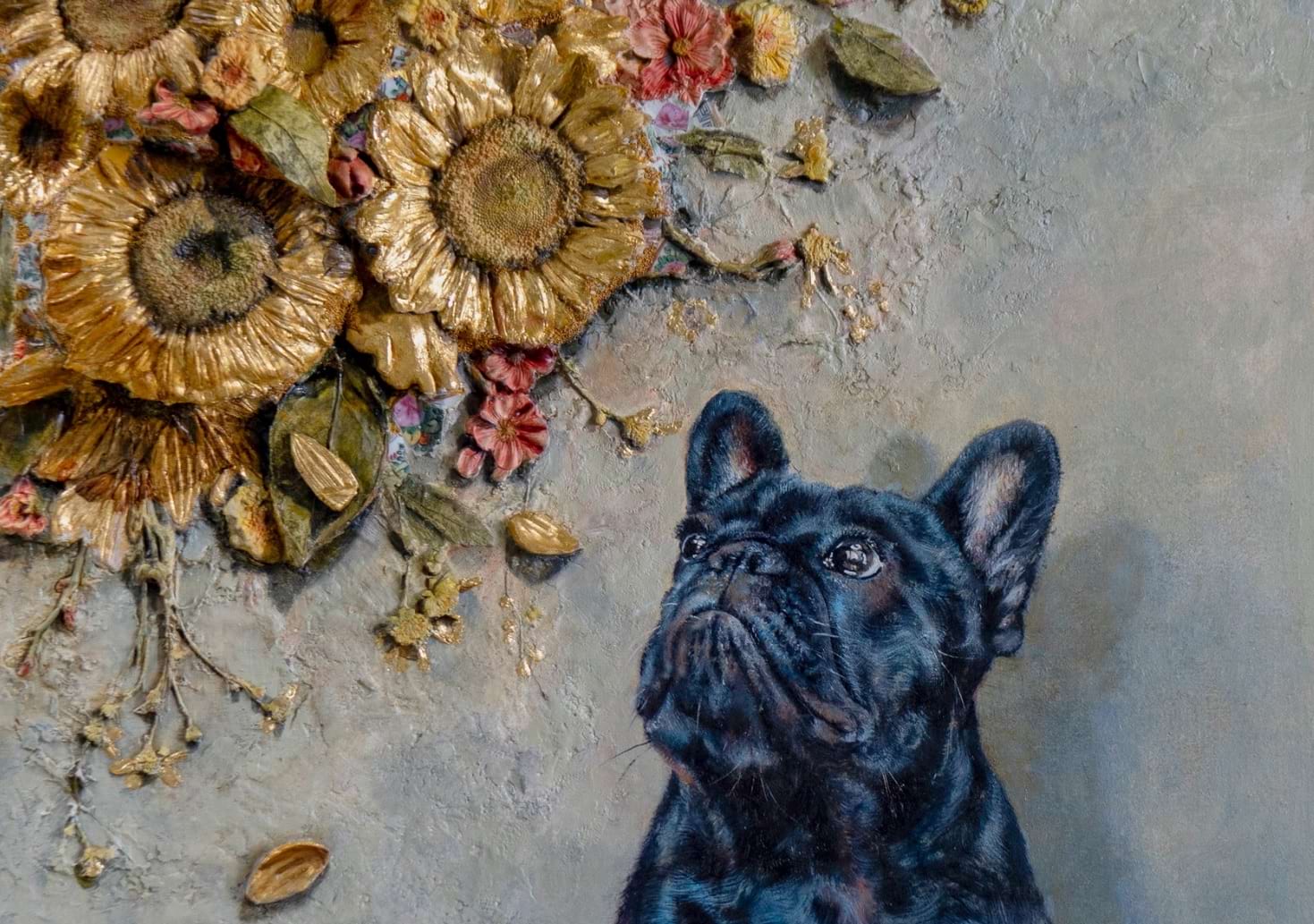
Investing in contemporary works is becoming increasingly popular as more people recognize the potential of art as an investment. Unlike traditional assets, art as an investment offers both financial returns and cultural enrichment. Many collectors consider art as an investment not only for its potential appreciation in value but also for the joy and prestige it brings. When considering art as an investment, it’s essential to research artists and trends to make informed decisions. Investing in art requires a strategic approach, as the art market can be complex and unpredictable. Here are some steps and considerations to help guide you through the process:
- Education and Research: Start by educating yourself about the art market. Read books, attend exhibitions, visit galleries, and follow art news to understand trends and key players in the industry. Familiarize yourself with the work of different artists and the various movements within contemporary art.
- Set a Budget: Determine how much you’re willing to invest in art. Remember that art is a long-term investment, and while it can appreciate significantly, it can also take time. Your budget will influence the artists and pieces you consider.
- Consider Your Interests: While potential appreciation is important, you should also buy art that you love. Since you will likely live with these pieces, they should resonate with you on a personal level.
- Diversify Your Collection: Just as you would with a stock portfolio, diversify your art investments. Consider acquiring works from different artists, styles, and mediums to spread your risk and increase the likelihood of strong returns.
- Consult with Experts: Work with art advisors, gallery owners, and curators who have deep knowledge of the market. They can provide invaluable insights and help you identify promising artists or undervalued pieces.
- Buy from Reputable Sources: Purchase art from established galleries, reputable auction houses, or directly from the artists. Ensure that any art you buy comes with proper documentation, including provenance, authenticity certificates, and condition reports.
- Monitor the Market: The art market is fluid, with prices fluctuating based on various factors including the artist’s career trajectory, market trends, and broader economic conditions. Stay informed about these changes to make strategic decisions about when to buy or sell.
- Consider the Costs: Owning art comes with additional costs such as insurance, storage, and maintenance. Factor these into your investment strategy.
- Long-Term Perspective: Understand that art investment is typically a long-term endeavor. While some pieces may appreciate quickly, others might take years to gain value. Patience and a long-term outlook are crucial.