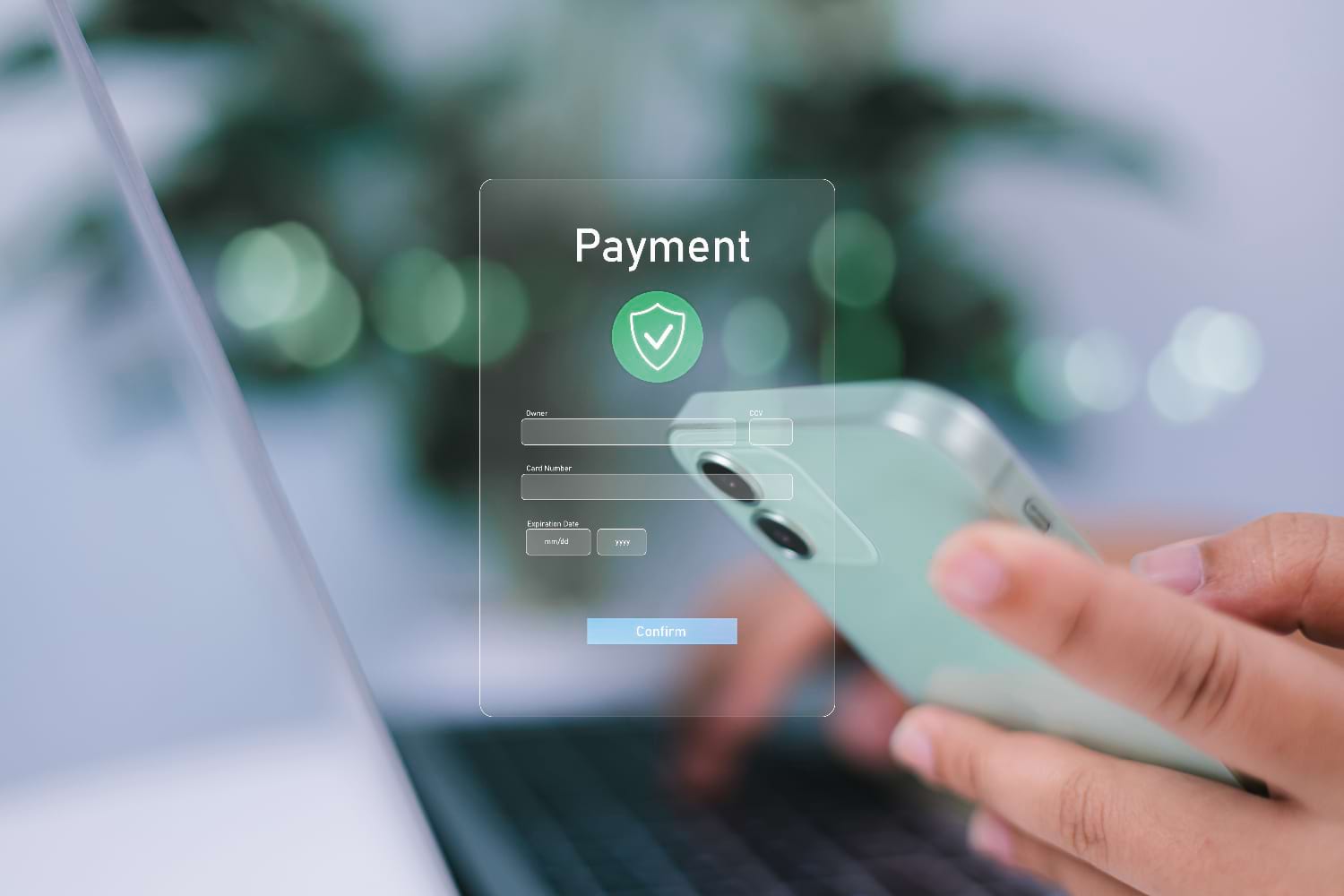
Setting up a business in the modern, digital economy comes with various challenges. One of the most important decisions you’ll make as a business owner is choosing the right payment processor. This decision becomes even more critical when dealing with high-risk industries. In this guide, we will explore everything you need to know about selecting a high-risk payment processor, why it matters, and how to ensure your business receives the best service.
High-risk payment processing
In business, high-risk industries are those that deal with higher than average rates of chargebacks, fraud, or regulatory scrutiny. These industries often include online gambling, adult content, travel, subscription-based services, and others that are deemed risky by financial institutions. For these businesses, finding a reliable payment processor is essential to ensure smooth transactions, minimize risks, and protect against financial losses.
Why high-risk payment processing matters
high-risk payment processors are specifically designed to handle the unique challenges of high-risk industries. A regular payment processor might not have the necessary tools, expertise, or infrastructure to deal with the complex nature of these industries. Therefore, a specialized processor provides an important role by offering better protection, fraud prevention, and tailored services to address these risks.

Factors to consider when choosing a high-risk payment processor
When selecting a high-risk payment processor, several key factors should influence your decision. From protection against fraud to ensuring fair service fees, it is crucial to assess various aspects before committing to a provider. This section will discuss the essential criteria for making an informed decision.
Payment processor’s knowledge of local and international laws
A payment processor should not only have a deep understanding of the laws governing payments but should also be well-versed in the local and international regulations that pertain to your specific industry. High-risk businesses often face scrutiny from multiple legal jurisdictions. For instance, if you run a cross-border e-commerce store or a gambling website, the processor should be familiar with the legal nuances of operating in various regions. Ensuring that your payment processor adheres to these laws will prevent issues related to compliance and protect your business from potential legal trouble.

Transaction security and fraud prevention
Security is a paramount concern in high-risk payment processing. Chargebacks and fraud are major concerns that can cripple a business’s financial health. It’s essential that the payment processor has strong fraud detection tools and security protocols, such as PCI-DSS compliance, encryption, and anti-fraud measures. Look for processors that offer advanced fraud prevention features, such as real-time monitoring, data encryption, and secure payment gateways. With fraud being a constant threat in high-risk sectors, ensuring that your payment processor invests in robust security is non-negotiable.
Fair service fees
High-risk businesses often find themselves subjected to higher service fees due to the perceived risk involved. However, this does not mean you should accept unreasonable charges. When searching for a high-risk payment processor, it is essential to ensure that the processor offers transparent and fair service fees. The fees can vary significantly between providers, so it’s important to understand the costs involved in every transaction. Avoid processors that charge exorbitant fees or have hidden charges that can quickly eat into your profits.
Customer support
Reliable customer support is another critical aspect when selecting a payment processor, high-risk payment processor choosing guide. A responsive support team can help resolve issues swiftly and prevent potential disruptions in your business operations. Look for a processor that offers 24/7 support, multiple communication channels, and a reputation for excellent service. Timely resolution of disputes and concerns is vital for maintaining customer trust and preventing issues that could lead to lost sales or chargebacks.
One of the major challenges faced by high-risk businesses is dealing with chargebacks. Chargebacks occur when a customer disputes a transaction and requests a refund from their bank. A high rate of chargebacks can have significant consequences, including increased fees or even the termination of your payment processing account. Therefore, it is essential to choose a payment processor that can help you manage chargebacks effectively.