The Role of Fiber in Your Diet: How to Get Enough and Why It Matters
When it comes to maintaining a healthy diet, one nutrient that often gets overlooked is fiber. Fiber plays a crucial role in our overall health and well-being, yet many people fail to get enough of it in their daily diet. In this article, we will explore the importance of fiber, how to incorporate more of it into your diet, and why it matters for your health.
What is Fiber?
Fiber is a type of carbohydrate that the body cannot digest. Instead of being broken down and absorbed like other nutrients, fiber passes through the digestive system relatively intact. There are two main types of fiber: soluble fiber, which dissolves in water, and insoluble fiber, which does not dissolve. Both types of fiber are important for maintaining a healthy digestive system.
How Much Fiber Do You Need?
According to the Academy of Nutrition and Dietetics, adult women should aim to consume at least 25 grams of fiber per day, while adult men should aim for at least 38 grams. Unfortunately, studies have shown that most Americans fall short of meeting these recommendations, averaging only about 15 grams of fiber per day.
Why Fiber Matters
So why is fiber so important? Well, for starters, fiber helps to regulate digestion by promoting regular bowel movements and preventing constipation. Additionally, fiber can help lower cholesterol levels, control blood sugar levels, and aid in weight management. Fiber also plays a role in supporting a healthy gut microbiome, which is important for overall health and immunity.
How to Get More Fiber in Your Diet
Now that you understand the importance of fiber, you may be wondering how to incorporate more of it into your diet. Here are some simple tips to help you boost your fiber intake:
- Choose whole grains over refined grains. Whole grains, such as brown rice, quinoa, and whole wheat bread, are rich in fiber.
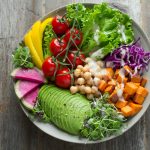
- Eat plenty of fruits and vegetables. Fruits and vegetables are fantastic sources of fiber, as well as essential vitamins and minerals.
- Include legumes in your diet. Beans, lentils, and chickpeas are excellent sources of fiber and plant-based protein.
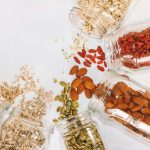
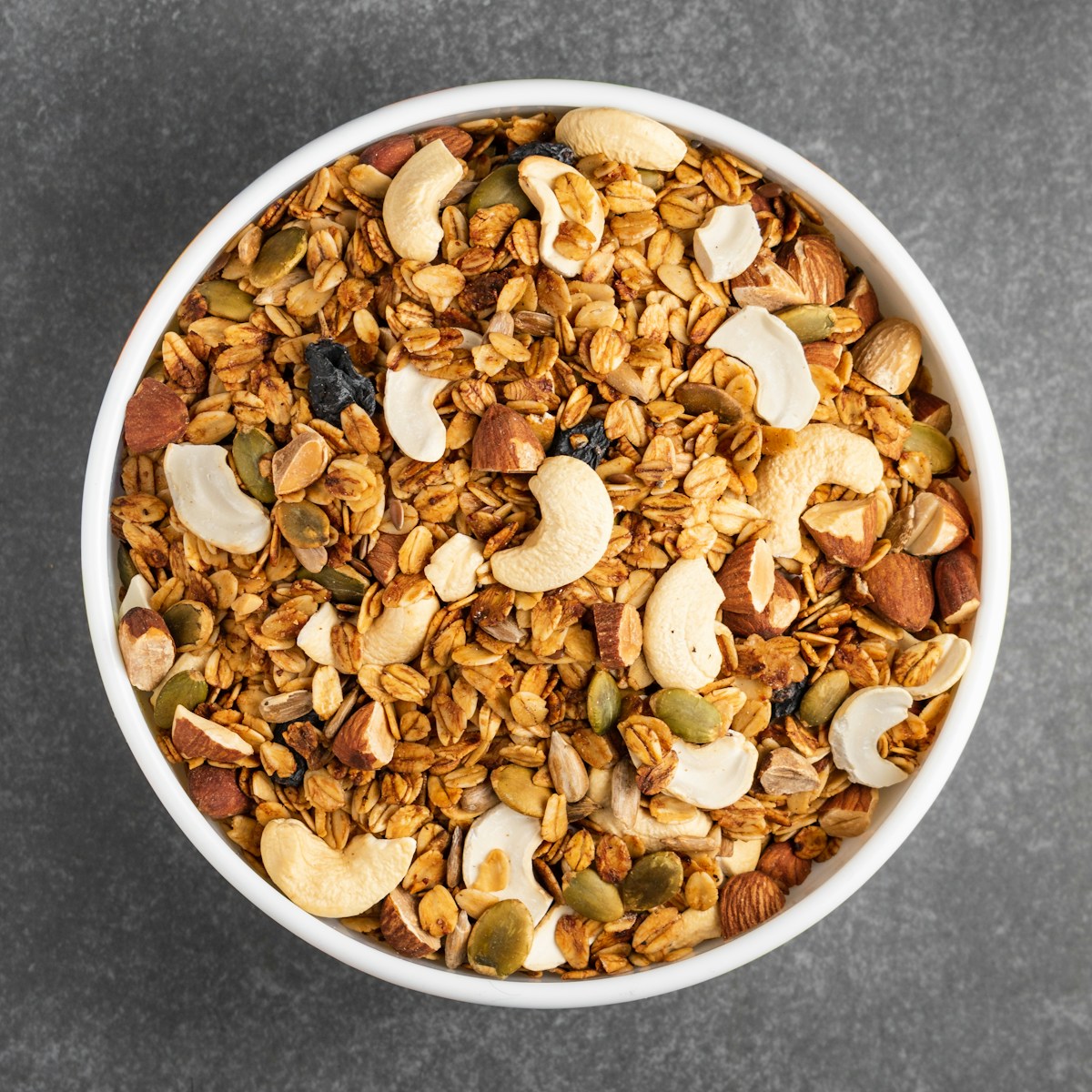
- Snack on nuts and seeds. Nuts and seeds are great sources of fiber, healthy fats, and protein.
- Read food labels. Pay attention to the fiber content of packaged foods and choose options that are higher in fiber.
By making small changes to your diet and focusing on fiber-rich foods, you can easily increase your fiber intake and reap the many health benefits that come along with it. Remember, a healthy diet is all about balance, so be sure to include a variety of foods from all food groups to ensure you are getting the nutrients your body needs.
So, next time you sit down to eat, think about how you can add more fiber to your plate. Your body will thank you for it!
For more tips on eating a balanced diet and maintaining good health, be sure to check out our other blog articles. And remember, always consult with a healthcare provider or registered dietitian before making any major changes to your diet.